
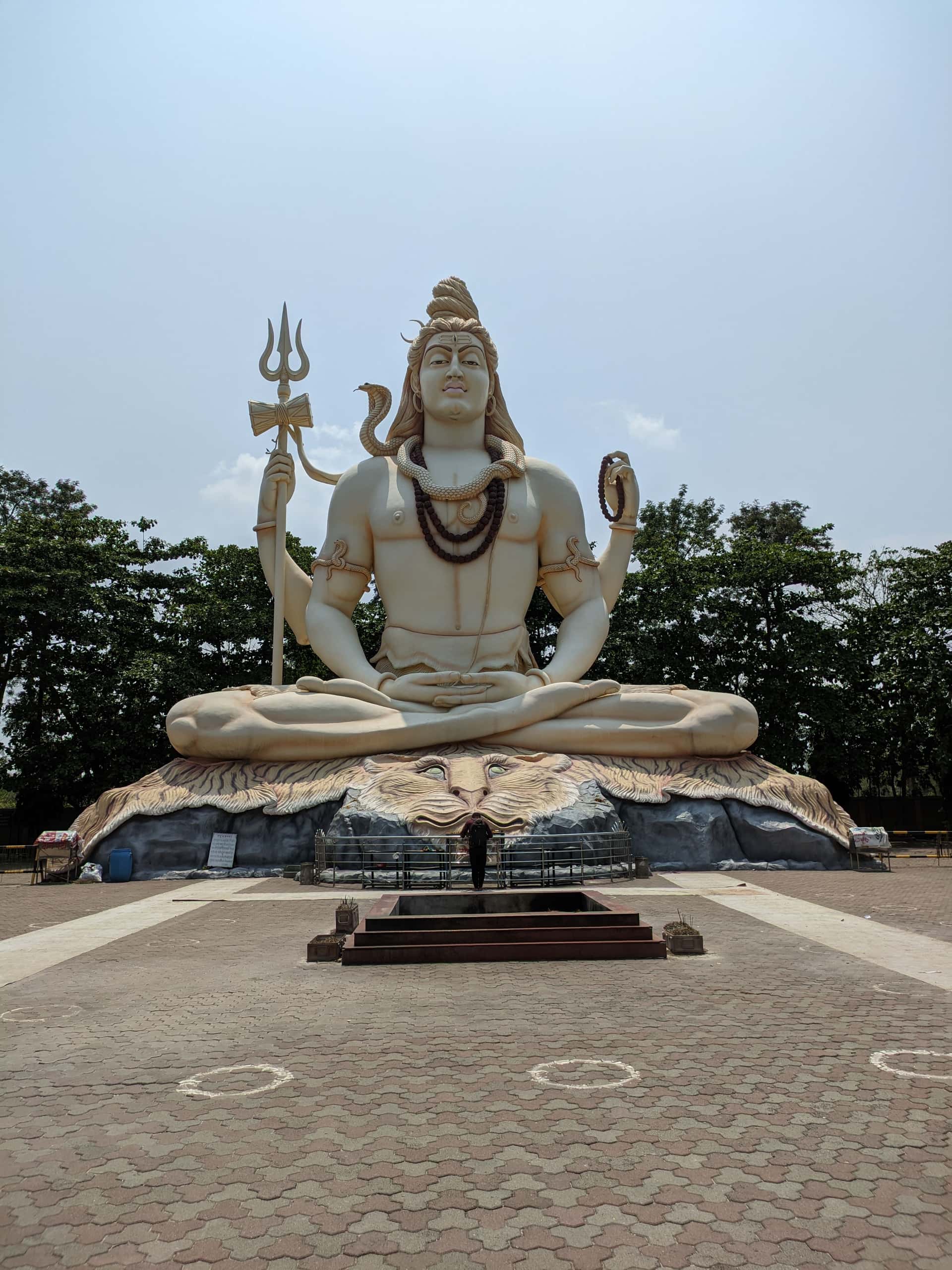
Nageshwarnath Mandir
The temple reflects classic North Indian temple architecture, featuring a traditional spire (shikhara) along with intricately carved pillars and ceilings surrounding the sanctum that houses the Shiva lingam.
History & significance
According to legend, the temple was established by Kush, the younger son of Lord Ram. While bathing in the river Saryu, Kush is said to have lost his armlet, which was later found and returned to him by a Nag Kanya (serpent maiden) devoted to Lord Shiva. In gratitude for her devotion, Kush built this temple in honour of Lord Shiva. The temple is believed to have remained intact through several eras, including during the reign of Chandragupta Vikramaditya, even as much of the surrounding city fell into ruin. It was later restored in 1750 by Naval Rai, a minister under Safdar Jung.
Devotees traditionally offer bilva (bel) leaves, milk, water, and flowers to Lord Nageshwarnath — bilva leaves are considered especially dear to Lord Shiva. Worship at this temple is traditionally believed to bring peace, prosperity, and protection from negative energy.
